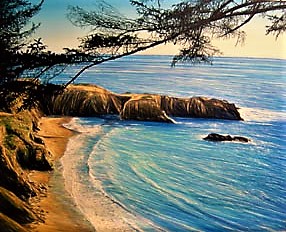
The painting is part of the second series made by Yoshimi Mise in Fukuoka, but it also seems to incorporate some elements from her earliest works. This period saw a flourishing of the Fauvism movement started by Matisse, to which Mise was exposed through Kondō Yoshijirō (近藤義次郎), an art dealer who was also her stepfather. The painting is done in very bright colours, using brushstrokes that are coarse and sharp.
| Type of Medium | |
|---|---|
| Size of Painting |
Related Products
-
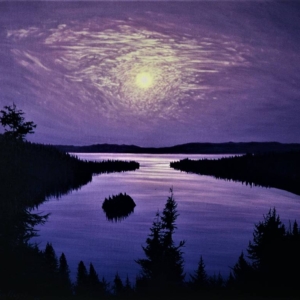
Lake tahoe moonrise
Lake Tahoe is the highest lake in USA. It’s quiet deep and blue color gives off an air of mystery. The lake contains 39 species of fish, most introduced either by accident or as gamefish; only the critically endangered Lahontan cutthroat trout (Oncorhynchus clarki henshawi) is native to the lake, many of the other native fish having become extinct. Water…
-
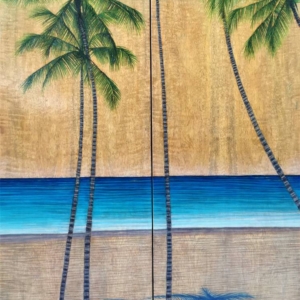
Palm beach diptych
A collection of artworks by Xu Bing Ikebana, besides the beauty of form and colour, is an art form that also conveys profound meaning through its forms and colours. The spirit of Ikebana comes from Buddhist churches in Japan, where it was created along with Zen Buddhism. It has evolved into a unique Japanese style that has been passed down…
-
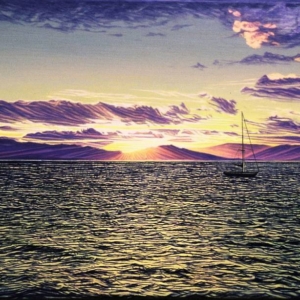
Lake tahoe solo
This photo was taken on my solo art trip to lake tahoe for winter break. It rained the entire time which made everything extra beautiful. This is a photo of “Pine, Bamboo and Plum.” I liked how all the lines seem to meet at one point creating this perfect vortex.
-
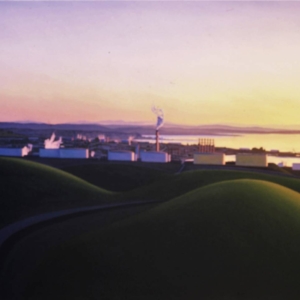
76 Rodeo, CA.#1
with its rolling hills and majestic oaks, looking south toward the Pacific Ocean. As you can see from the series title, “Ikebana”, this piece is modeled after a traditional Japanese flower arrangement using a California native plant called Oso Easy as my focal point. Using a variety of Nihon-ga (Japanese style) painting tools, I’ll show you how this was made.…